Treasury Crypto Wallet Dashboard: A Modern Interface for Digital Finance
Managing digital assets effectively requires more than just secure technology; it demands a clear, intuitive, and visually coherent interface. For developers, fintech entrepreneurs, and designers building blockchain applications, the user experience can make or break adoption. A well-crafted dashboard template, like the Treasury Crypto Wallet Dashboard, addresses this need by providing a foundational design system that is both functional and aesthetically advanced, saving countless hours of development and design time.
Beyond the Basics: Visual Design That Builds Trust
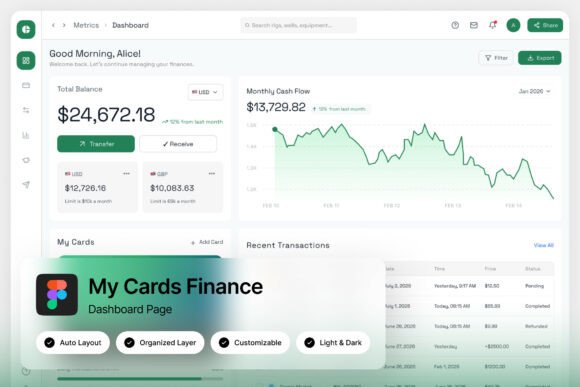
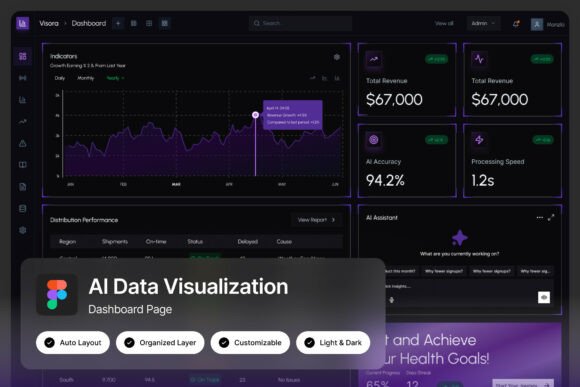
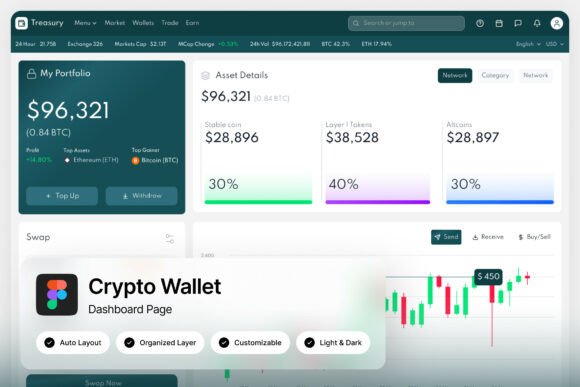
In the world of Web3 and cryptocurrency, user trust is paramount. A sleek, modern UI isn't just about looking good—it communicates professionalism, security, and reliability. This template's pixel-perfect layout, with its unique and stylish design, immediately sets a serious tone. The inclusion of both light and dark mode interfaces is a critical practical consideration, allowing the final application to cater to user preferences and reduce eye strain during prolonged use, a small detail that significantly enhances user experience.
The real power for creators lies in its full customizability. The well-organized, named, and grouped layers in the Figma file mean that a designer or developer isn't just getting a static image. They are getting a dynamic design system. You can easily adapt color schemes to match your brand identity, reorganize modules to prioritize different data streams, and scale the design for various screen sizes while maintaining its cohesive, professional look. This flexibility transforms it from a simple template into a versatile design asset for any blockchain platform or digital asset tracking service.
Practical Applications for a Wide Range of Projects
While designed for a crypto wallet, the sophisticated financial layout and advanced UI elements have broader utility. Consider these practical applications:
- Branding and Marketing Assets: The clean, data-rich visual language is perfect for creating compelling marketing materials. Use the dashboard's aesthetic to design social media graphics that explain complex DeFi concepts, or create web banners that convey a sense of cutting-edge technology for a fintech startup.
- Editorial and Presentation Design: For bloggers, journalists, or educators in the crypto space, the layout can inspire the design of editorial layouts for digital magazines or PDF guides. The structured data visualization elements can be repurposed for infographics or presentation decks that need to display financial metrics or blockchain network activity in an engaging way.
- Digital Product Mockups: If you are developing a related SaaS product or a Web3 service, this template serves as an excellent starting point for high-fidelity prototypes. It helps you visualize and test user flows with realistic interface components before writing a single line of code.
Enhancing Communication Through Thoughtful UI
A key strength of this dashboard template is how it improves visual consistency and professional presentation. When every element—from transaction history tables to portfolio pie charts—follows a unified design language, the end product feels polished and trustworthy. This consistency directly feeds into stronger brand recognition for the platform using it.
Readability is another cornerstone. The design leverages clear typography hierarchies and ample white space to ensure that complex financial data is digestible at a glance. For a user checking their portfolio or a transaction status, this clarity reduces cognitive load and frustration. The included free Google Fonts ensure that this readability extends across different devices and browsers without licensing headaches, making it a practical choice for both commercial and creative projects.
Getting Started and Making It Your Own
For anyone looking to implement this design, the process is straightforward thanks to the included resources. The Figma file is the core asset, offering complete control. The help guide PDF is invaluable for understanding the file structure and any specific customization notes from the creator.
When you begin editing, start with the foundational elements: establish your brand's color palette and typography. The template likely uses a combination of a clean sans-serif font for body text and a more distinctive font for headings or key metrics. Testing these font pairings within the existing layout is crucial. Ensure that your chosen typefaces maintain the same level of clarity and hierarchy as the original design, especially for numerical data where misreading can be costly.
Remember, while the template provides a stunning visual framework, its true value is unlocked when you tailor it to your specific audience's needs. Whether you are building for seasoned crypto traders who need dense data or for newcomers who require a simpler, more guided interface, the customizable layers allow you to adjust complexity accordingly. This asset is not about imposing a style; it's about providing a robust, professional starting point that accelerates your workflow and elevates the final user experience of your digital finance application.