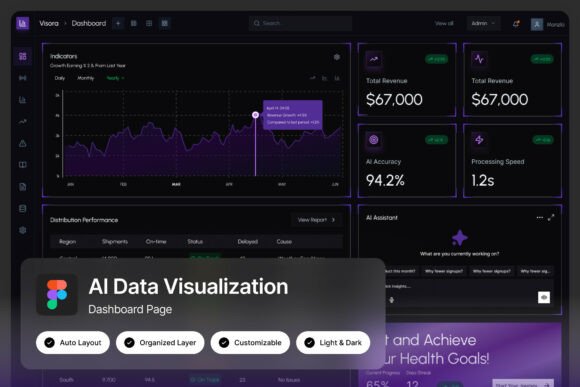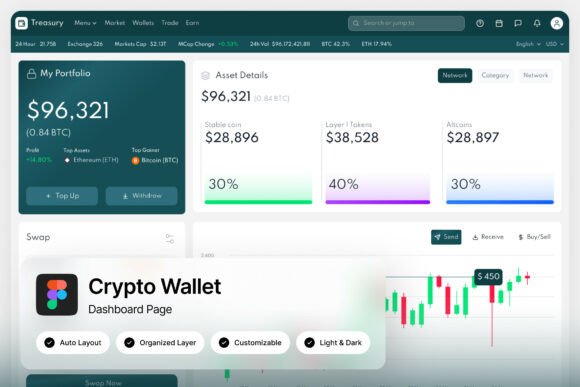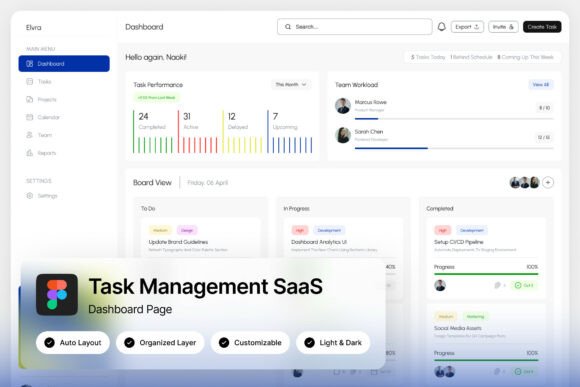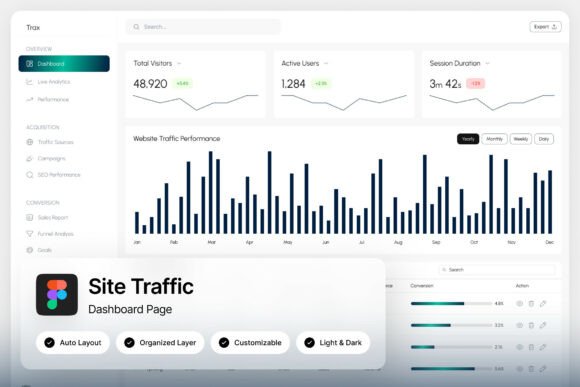
Metrics My Cards Finance Dashboard: A Modern Template for Financial Apps
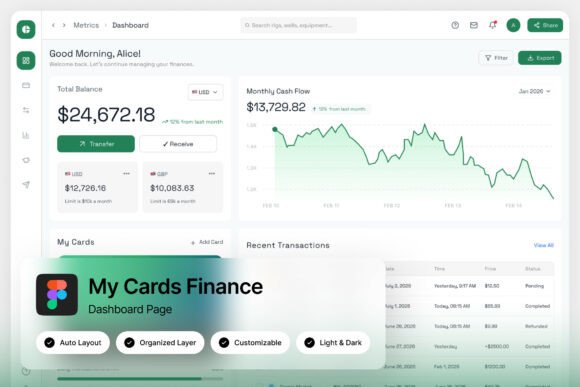
Imagine opening your banking app and instead of a cluttered mess of numbers, you're greeted by a clean, intuitive interface that makes managing your money feel almost effortless. That's the promise of a well-designed financial dashboard, and the Metrics My Cards Finance Dashboard template delivers exactly that. This isn't just another generic admin panel; it's a thoughtfully crafted starting point for anyone building digital wallet systems, card management platforms, or personal finance services. Its modern aesthetic and focus on data visualization turn complex financial data into clear, actionable insights for the end-user.
A Visual Foundation for Trust and Clarity
In the world of finance, trust is built on clarity. Users need to see their balances, transactions, and card details without confusion or visual noise. The Metrics My Cards template excels here with its pixel-perfect layout and modern financial layouts. The design uses ample white space, a balanced color palette, and intuitive iconography to guide the eye naturally. For a designer or developer, this means you're not starting from scratch with basic wireframes. You have a sophisticated visual language already established—one that communicates professionalism and security, two non-negotiable traits for any financial product.
The inclusion of both light and dark mode interfaces is more than a trendy feature; it's a practical consideration for user comfort and accessibility. A banking app user checking their balance late at night will appreciate the dark mode's reduced glare, while the light mode offers crisp readability in daytime settings. This kind of built-in flexibility shows an understanding of real-world usage, saving you significant time on UI/UX decisions during the development phase.
Beyond Finance: Surprising Applications for a Dashboard Aesthetic
While built for fintech, the clean, data-driven style of this dashboard template has far broader applications. Think about any project where you need to present complex information simply and stylishly. For example:
- Brand Presentations: Use the card-based layout to showcase company milestones, KPIs, or project timelines in a pitch deck or annual report. The modular design makes it easy to rearrange components.
- Website Analytics Pages: Bloggers and content creators can adapt the interactive data visualization elements to display site traffic, subscriber growth, or engagement metrics on a custom analytics page.
- Product Management Dashboards: The same principles that organize financial transactions can organize user stories, sprint progress, or feature roadmaps for a SaaS product.
- Personal Project Hubs: Creatives and freelancers could customize it to track invoices, project hours, and client communications in a single, organized view.
The key takeaway is that a premium design asset like this is an investment in visual consistency. Its modern typography and organized layer structure ensure that whether you're designing a mobile app screen or a corresponding marketing website, the look and feel will be cohesive.
Practical Workflow: Making the Template Your Own
The real value of the Metrics My Cards Finance Dashboard is revealed in how it streamlines your workflow. The promise of a "fully customizable with easy editing" Figma file is a game-changer. Every button, chart, and card element is built with named and grouped layers, meaning you're not digging through a disorganized file to change a color or swap an icon. This organized structure is crucial for collaboration, allowing other designers or developers to understand and modify the file quickly.
Here’s how to approach integrating it into your process:
- Establish Your Brand Palette: Before diving in, define your primary and secondary brand colors. Use Figma's color styles to update the template globally, ensuring instant consistency across every screen.
- Typography Choices: The template comes with links to free Google Fonts. Review the included font styles and consider how they align with your brand voice. A clean sans-serif like Inter or Poppins works well for data-heavy interfaces, ensuring maximum readability. You might pair it with a slightly more distinctive serif or display font for headings to add personality.
- Test with Real Content: Don't just placeholder with "Lorem Ipsum." Populate the dashboard with realistic transaction data, card numbers (use dummy numbers), and user names. This will immediately highlight any layout issues and help you stress-test the design's practicality.
- Leverage the Resolution: The 1440×1024 px screen resolution is a standard desktop dimension. Use this as your master artboard, then create responsive variations for tablet and mobile. The component-based design should make scaling elements down more manageable.
Remember, the goal isn't to use the template as-is, but to use it as a robust foundation. Its modern design language gives you credibility, while its customization potential lets you inject your unique brand identity.
Final Considerations for Your Project
As you finalize your project, keep a few things in mind. First, while the preview images are for demonstration, your final product will need its own high-quality visuals and photography that match the dashboard's sleek tone. Second, always double-check the licensing for any commercial project. The provided Figma file likely comes with a license that permits use in end products for clients, but it's your responsibility to review the terms included in the download package.
Ultimately, the Metrics My Cards Finance Dashboard is more than a collection of screens. It's a design system starter kit that respects both the user's need for clarity and the creator's need for efficiency. By starting with a foundation built on strong visual principles, you free yourself to focus on what truly matters: building a functional, engaging, and trustworthy product for your audience.