Transform Your Ad Data into a Visual Command Center
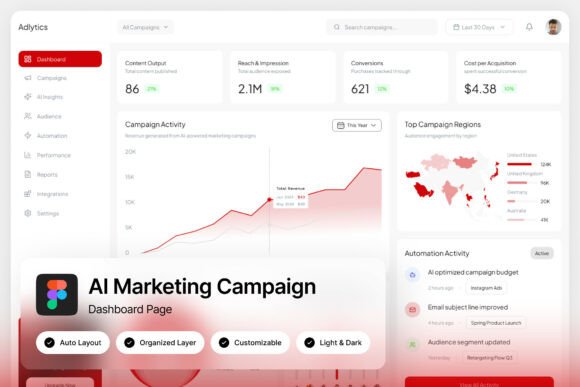
For performance marketers and growth-focused teams, the daily flood of campaign data can feel less like a stream of insights and more like a chaotic waterfall. Sifting through endless spreadsheets, toggling between multiple platform dashboards, and trying to stitch together a coherent story for stakeholders is a common frustration. The core challenge isn't a lack of data; it's a lack of clear, actionable, and visually intuitive presentation. This is precisely the gap a specialized tool like the Adlytics AI Marketing Campaign Dashboard aims to fill, transforming raw numbers into a strategic visual command center.
More Than Metrics: The Power of a Cohesive Visual System
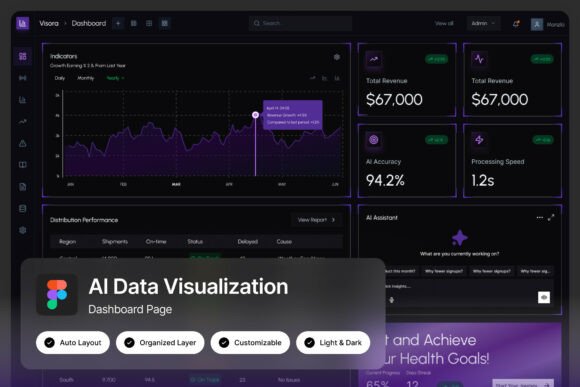
What sets a dashboard like Adlytics apart isn't just the data it displays, but how it presents it. The described "vibrant, data-rich" interface with a "modern green-and-dark" theme is a deliberate design choice. In UI design, color isn't merely decorative; it's functional. A consistent, bold color palette reduces cognitive load, allowing users to quickly locate key metrics like ROAS (Return on Ad Spend) or conversion rates. The green-and-dark scheme is particularly smart—green often signifies positive growth or success, creating an immediate, subconscious association with performance wins, while the dark background minimizes eye strain during long analysis sessions.
This principle of visual consistency is fundamental to any branding effort. Whether you're designing a logo, crafting packaging, or building a social media graphics kit, the fonts and colors you choose become the recognizable face of your business. A dashboard template like Adlytics serves as a masterclass in this: it uses modern typography (likely a clean sans serif font for readability) and a structured layout to make complex information accessible. Applying this same disciplined approach to your own brand identity ensures that every touchpoint—from your website to your print materials—feels connected and professional.
Practical Applications for Designers and Marketers
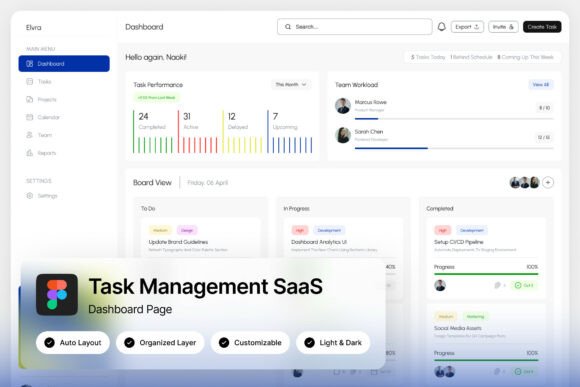
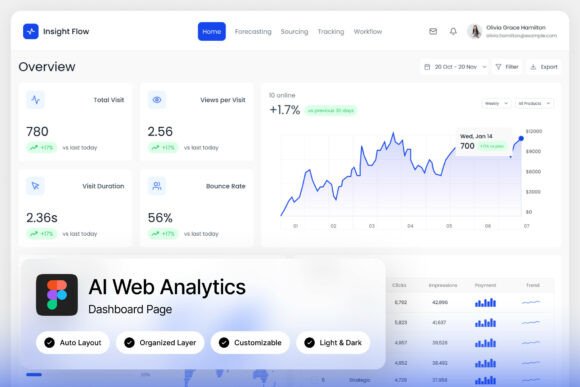
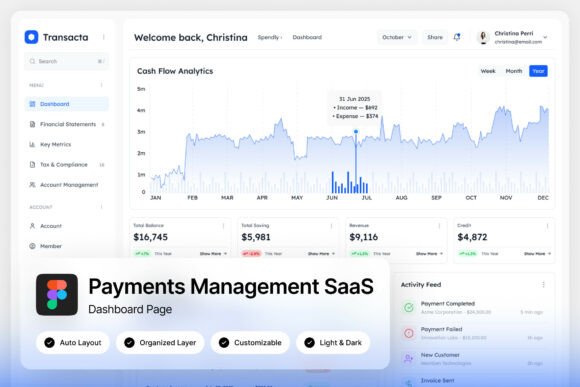
While the Adlytics dashboard is built for campaign analytics, the design principles and assets within its Figma file have broad utility. For SaaS designers and ad tech startups, it provides a direct, customizable blueprint for building their own campaign tracking or media buying platforms. The pixel-perfect layout, well-organized layers, and inclusion of both light and dark modes mean you're not starting from scratch; you're adapting a proven, professional framework.
Beyond direct use, the dashboard's design language can inspire other projects:
- Digital Products & Editorial Layouts: The clean data visualization style is perfect for designing digital products like report templates, lead magnet PDFs, or even editorial layouts for blogs that feature data-driven content. The structured panels for audience segmentation can be repurposed for showcasing customer personas or market research.
- Marketing Assets & Presentations: The chart styles and infographic elements are ideal for creating compelling marketing assets. Instead of generic PowerPoint slides, use the ROAS chart or conversion funnel visuals from the dashboard to build investor decks, client reports, or internal strategy presentations that actually engage an audience.
- Website and App Design Inspiration: The dashboard's UI components—its buttons, cards, and navigation—offer a goldmine of inspiration for web design. A small business owner looking to refresh their site could borrow the clean card layouts for service pages or the data visualization approach for testimonials and case studies.
Choosing and Pairing Your Design Elements
The Adlytics package includes free Google Fonts, a practical detail that underscores the importance of accessibility in modern typography. When selecting a premium font or any typeface for a project, consider its personality. A display font with high contrast might be perfect for a headline on a poster or merchandise, while a neutral, highly legible sans serif is essential for body text on a website or in a blog.
Font pairing is where the magic happens. A common and effective strategy is to combine a serif and a sans serif, or a bold display font with a simple body font. The key is contrast in style but harmony in mood. For instance, if the Adlytics dashboard uses a geometric sans serif for its metrics, you might pair it with a complementary script font or handwritten font for a more personal, creative project like invitations or artisan product packaging. Always test your pairings in context—see how they look at the actual size they'll be used, and ensure there's sufficient contrast for readability.
A crucial, often overlooked step is reviewing the included font styles. Does the family have the weights you need (Light, Regular, Medium, Bold)? Does it have true italics? Understanding the full scope of your commercial font license is also non-negotiable for any professional work. The Adlytics package, by including a Help Guide and Font Links, encourages this due diligence, ensuring you can use the assets confidently in commercial projects.
Building Recognition Through Thoughtful Design
Ultimately, tools like the Adlytics AI Marketing Campaign Dashboard do more than just organize data; they teach a lesson in effective visual communication. The goal of any creative font or design asset is to improve visual consistency, boost brand recognition, and enhance professional presentation. When your audience—whether they are customers, readers, or social media followers—encounters a design that is clear, consistent, and aesthetically considered, their engagement deepens. They spend more time on your page, trust your brand more readily, and remember your message.
Think of your design toolkit as a chef's kitchen. Having high-quality, versatile tools (like a well-designed dashboard template or a robust font family) doesn't just make the cooking process smoother; it elevates the final dish. It allows you to move beyond basic functionality to create experiences that are not only useful but also delightful and memorable. By focusing on the principles of clarity, consistency, and intentional aesthetics—exemplified in resources like Adlytics—you empower yourself to build brands and create content that truly resonates in a crowded digital landscape.