Launch Faster: A Sleek UI Kit for Modern Food Delivery Apps
You have a brilliant idea for a food delivery service. The business plan is solid, the restaurant partners are ready, and the local market is hungry for a better experience. But then you hit the wall that stops so many promising projects in their tracks: the app. Designing a mobile application from scratch is a monumental task. It requires countless hours of wireframing, prototyping, and pixel-pushing, consuming precious time and resources before you can even serve your first customer. What if there was a way to bypass the most grueling part of the design process and launch a beautiful, functional app in a fraction of the time?
A Foundation Built for Speed and Style
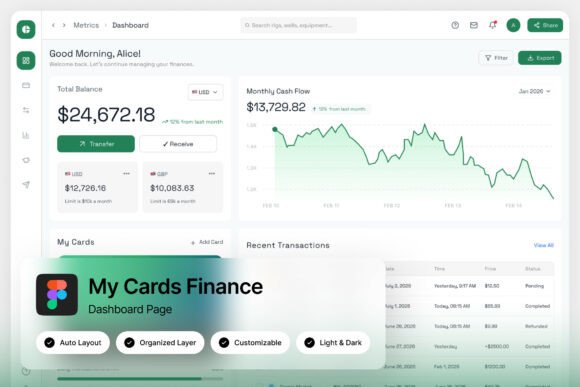
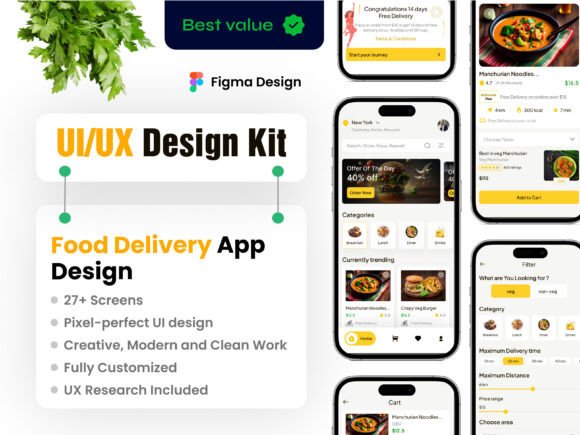
This is precisely the problem that a high-quality food delivery app UI kit solves. Think of it not as a finished product, but as a master blueprint and a complete set of premium construction materials for your digital storefront. This particular kit provides over 25 customizable screens and components, meticulously crafted with a minimalist and modern aesthetic. The design philosophy is clear: clean lines, ample white space, and intuitive navigation that guides the user effortlessly from browsing menus to tracking their order in real-time. This isn't just about looking good; it's about creating a seamless user experience that builds trust and encourages repeat business. A cluttered or confusing interface is one of the fastest ways to lose a customer, and this UI kit is engineered to prevent that.
The true power of this design asset lies in its efficiency. Instead of starting with a blank canvas, you begin with professionally designed screens for all the key functionalities of a food delivery app. We're talking about polished layouts for home screens featuring popular restaurants, detailed menu pages with clear item descriptions and pricing, a streamlined cart and checkout process, user profile management, and the all-important order tracking interface. This "fast track" approach allows designers, entrepreneurs, and small business owners to focus on what truly matters: customizing the experience to fit their unique brand and perfecting the user journey. It’s about working smarter, not harder, and getting a market-ready product into the hands of your users sooner.
Effortless Customization for a Unique Brand Identity
A common concern with pre-built design systems is the risk of looking generic. How can you stand out if you're using the same template as someone else? This is where the "effortless customization" feature becomes critical. The kit is built on a foundation of modern design principles, but it’s designed to be a starting point, not a rigid cage. Every element, from button styles and color palettes to typography and iconography, is fully editable. The inclusion of both light and dark mode options is a significant advantage, allowing you to cater to user preferences and create a more dynamic and comfortable viewing experience, especially for late-night snackers.
Imagine you're building a brand for an organic, farm-to-table delivery service. With this UI kit, you can easily swap the default color scheme for earthy greens and warm neutrals, replace the standard icons with custom SVGs that reflect your brand's personality, and select a typeface that feels fresh and wholesome. Conversely, if your concept is a high-energy, late-night fast-food delivery app, you can transform the UI with bold, vibrant colors, neon accents, and a punchy, modern typography. The kit includes assets like a PNG logo and SVG icons, and it’s built with auto-layout in Figma, which means resizing components and rearranging elements is fluid and responsive. This level of control ensures that the final product is a true reflection of your brand identity, not a cookie-cutter application.
From Pixels to Profit: Practical Applications
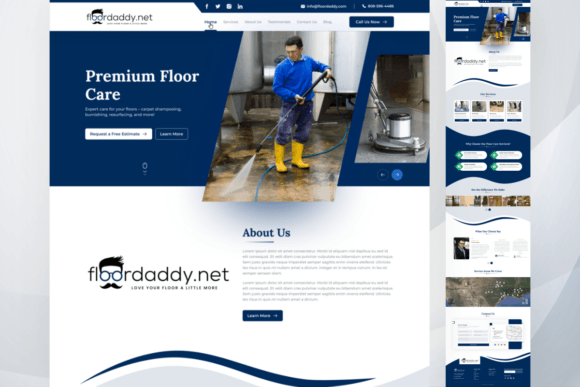
While the primary application is designing a mobile app, the value of a comprehensive UI kit extends far beyond a single screen. The clean, professional aesthetic and high-quality graphics make its components incredibly versatile for a range of marketing and branding assets. Think of the visual consistency you can achieve across all your customer touchpoints. The same design language used in your app can be seamlessly integrated into your other platforms.
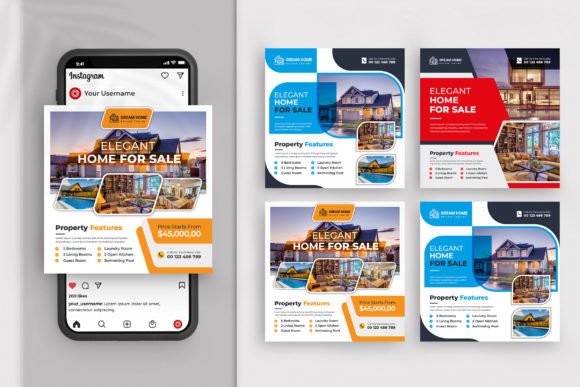
- Social Media Graphics: Use the UI components and style guide to create stunning Instagram stories, Facebook ads, and promotional posts that look like they were designed by the same team that built the app. This builds a cohesive and professional brand presence.
- Website and Landing Pages: The modern, clean design is perfectly suited for a responsive website. You can adapt the screens and components to build a landing page that converts visitors into app downloads.
- Marketing Materials: The high-quality assets are ideal for digital and print materials. Design email newsletters, promotional flyers, or even posters for partner restaurants that all share the same visual DNA as your app.
- Presentations and Pitch Decks: If you're seeking investors or pitching to potential partners, a polished and professional presentation is crucial. The UI kit provides the visual foundation to create a deck that communicates credibility and a clear vision.
This approach elevates your project from just an app to a full-fledged brand. It’s about creating a holistic experience where every interaction a customer has with your service feels intentional, professional, and trustworthy. This visual consistency is a cornerstone of strong brand recognition and helps you stand out in a crowded market.
Making Smart Design Choices with Your UI Kit
To get the most out of a resource like this, it’s helpful to approach it with a strategic mindset. Before you even open the Figma file, take some time to define your brand’s personality. Is it playful and fun, or sophisticated and premium? This will guide your customization choices. The kit uses free Google Fonts, which is a fantastic practical benefit. This means you have access to a vast library of high-quality, commercial-friendly typefaces without any extra cost. When choosing your primary and secondary fonts, consider readability first and foremost. A beautiful script font might look great on a logo, but it will be frustrating to read on a menu item description.
Font pairing is another area where a little knowledge goes a long way. A common and effective strategy is to pair a clean, readable sans-serif font for body text with a more distinct display font for headlines. For example, you might use a friendly and modern sans-serif like Poppins for all your menu descriptions and buttons, but use a bold, condensed font for your restaurant names and promotional banners to create a visual hierarchy. Don't be afraid to test different combinations. The Figma file makes it easy to swap fonts and see how they feel in context. Pay attention to spacing and alignment—the auto-layout feature will help maintain consistency, but it's always worth double-checking that your text is legible and your elements are well-balanced.
Ultimately, a resource like this food delivery app UI kit is a powerful tool for democratizing good design. It empowers entrepreneurs and creators to bring their vision to life without needing a massive budget or a large design team. By providing a solid, professional foundation, it allows you to focus on innovation, customer service, and building a brand that people love. It’s about removing the technical barriers so you can get back to the exciting part: delivering success.