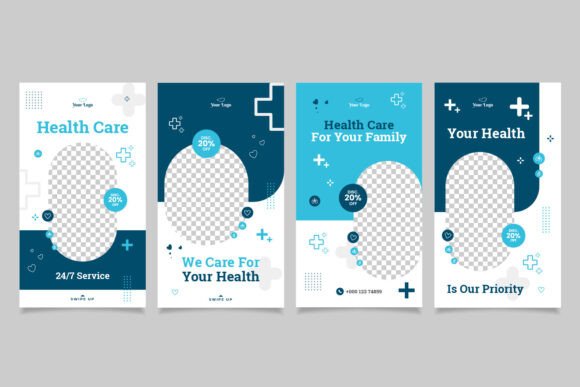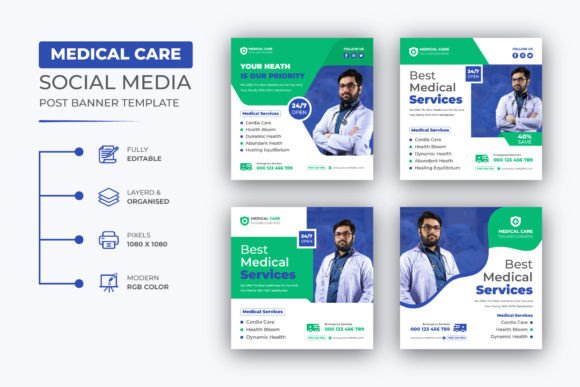
Medical Health Care Social Media Post
Visual Communication in Modern Healthcare
Healthcare communication has shifted dramatically in recent years, and social media has become the frontline for patient education, clinic promotion, and community engagement. Yet many medical practices, wellness brands, and health-focused businesses struggle with creating visuals that feel both professional and approachable. That gap between clinical credibility and social media friendliness is exactly where thoughtful design templates make a real difference.
A well-crafted Medical Health Care Social Media Post template bridges that gap beautifully. It gives healthcare providers, wellness entrepreneurs, and medical marketers a starting point that already understands the visual language of the industry — clean lines, trustworthy color palettes, space for clear messaging, and layouts that respect the seriousness of health information while still feeling warm and human.
Why Healthcare Brands Need Specialized Design Assets
Generic social media templates rarely work for healthcare. A fitness influencer can get away with bold, flashy graphics, but a pediatric clinic or a mental health practice needs something different. The visual tone must communicate authority, empathy, and clarity — sometimes all at once. Patients scrolling through Instagram or Facebook are making split-second decisions about whether to trust a provider, and those decisions start with design.
Consider a small dental practice trying to promote a new teeth-whitening service. They could use a generic promotional template with neon colors and aggressive call-to-action buttons. Or they could use a Medical Health Care Social Media Post template designed with soft blues, clean typography, and balanced white space that says, "We're professional, we care about your comfort, and we know what we're doing." The second approach wins every time because it aligns visual design with patient expectations.
Medical businesses also face unique regulatory and ethical considerations. Health claims need to be presented responsibly, disclaimers must be visible, and imagery should avoid feeling manipulative or fear-based. Templates built specifically for this sector take those nuances into account, making compliance and good taste easier to maintain across every post.
What Makes This Template Set Stand Out
This particular Medical Health Care Social Media Post collection includes four Adobe Illustrator and EPS files, each designed at 1080x1080 pixels — the standard square format that performs consistently well across Instagram, Facebook, and LinkedIn. The files use RGB color mode at 72 DPI, optimized for screen display rather than print, which keeps file sizes manageable and colors vibrant on digital devices.
What really matters for busy professionals is how quickly these templates can be customized. You don't need advanced Illustrator skills to swap out text, change color schemes to match your brand guidelines, or replace placeholder images with your own photography. The included help guide walks you through the basics, and the fonts used are freely available — download links are provided in the main file package. That removes a common frustration where designers purchase a template only to discover they need to buy an expensive commercial font to use it.
The design aesthetic itself strikes a balance between modern minimalism and healthcare warmth. Clean sans serif typefaces keep information readable at a glance, while carefully chosen accent elements add visual interest without cluttering the layout. This is the kind of professional presentation that makes a small practice look established and an established brand look current.
Real-World Applications Beyond Social Media
While these templates are built for social media posts, their usefulness extends much further. A wellness coach might adapt the layouts for digital product covers or email headers. A medical equipment supplier could use them as the foundation for trade show booth graphics. A health blogger might find the visual framework perfect for Pinterest pins or blog featured images.
The 1080x1080 dimension works beautifully for more than just feed posts. Use them as Instagram Story backgrounds by adjusting the composition slightly, or print them as small promotional cards for waiting rooms and reception desks. The Illustrator file format means you can scale elements without quality loss, resize for different platforms, and maintain full creative control over every design decision.
Small business owners in the healthcare space often wear multiple hats — practitioner, marketer, administrator, content creator. Having a reliable set of design assets that already look polished saves hours of work each week. Instead of starting from scratch every time you need to announce a new service, share a health tip, or promote a seasonal offer, you open a template, make your edits, and publish. That efficiency compounds over months and years, building consistent brand presence without burning out your schedule.
Building Brand Consistency Across Platforms
One of the most overlooked advantages of working with a cohesive template set is brand consistency. When your Instagram posts, Facebook graphics, and LinkedIn visuals all share the same design DNA — similar color choices, matching typography styles, consistent spacing and layout principles — your audience starts recognizing you before they even read your name. That recognition builds trust, and trust is everything in healthcare marketing.
Think about how major hospital systems maintain visual consistency across thousands of touchpoints. They achieve that through strict brand guidelines and carefully designed templates. A Medical Health Care Social Media Post template set gives smaller practices and independent healthcare businesses access to that same strategic advantage without the cost of hiring a full branding agency.
Start by establishing your core brand colors and selecting two or three font styles from the template that feel right for your practice personality. A pediatric clinic might lean toward softer, rounder typefaces and pastel accents, while a sports medicine facility could choose bolder weights and energetic color pops. Once you've made those foundational choices, every template customization reinforces your visual identity automatically.
Practical Tips for Getting the Most From Your Templates
Before you start editing, spend ten minutes planning your content calendar. Knowing what you want to say this week or this month helps you choose the right template layout and avoid last-minute design scrambles. Map out your key messages — appointment reminders, health education tips, staff spotlights, patient testimonials, seasonal promotions — and assign template layouts to each content type.
When customizing colors, test your choices on both light and dark phone screens. Healthcare palettes often use blues, greens, and whites, which generally display well across devices, but it's worth confirming that your text remains readable against every background variation. Accessibility matters in healthcare communication more than almost any other industry.
For imagery, use authentic photos whenever possible. Stock photography has its place, but images of your actual team, your real facility, and genuine patient interactions (with proper consent) create emotional connections that generic images simply cannot match. The clean layouts in these templates are designed to showcase photography beautifully without competing with it.
Finally, remember that social media is a conversation, not a billboard. Use your polished Medical Health Care Social Media Post designs as starting points for engagement — ask questions in your captions, respond to comments thoughtfully, and let your professional visuals support genuine human connection. The best healthcare marketing doesn't just look trustworthy. It feels personal, responsive, and genuinely caring.