Crafting the Perfect First Impression: A Guide to Kids School Admission Flyers
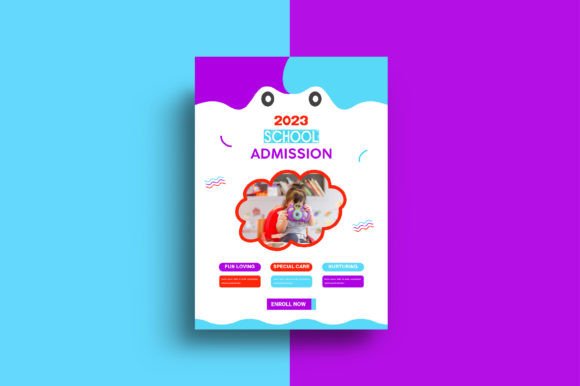
That moment when a parent spots a flyer for a new school is everything. It’s not just a piece of paper; it’s a first handshake, a visual promise of the nurturing, vibrant environment you’ve built. A well-designed Kids School Admission Flyer Design does more than list dates and contacts—it tells a story. It captures the energy of a classroom, the warmth of the staff, and the excitement of learning, all in a single, scannable glance. For designers and school administrators alike, creating this asset is a critical branding exercise that blends marketing savvy with heartfelt communication.
The Anatomy of an Effective School Flyer
What separates a flyer that gets pinned to a fridge from one that goes straight into the recycling bin? It boils down to a few key visual and informational principles. The design needs to be approachable and joyful, often using a display font or a friendly sans serif font for headlines to convey modernity and clarity. The color palette should be bright and optimistic but not overwhelming—think primary colors balanced with clean white space. Imagery is paramount; high-quality photos of engaged children, clean facilities, and happy teachers build instant trust.
Beyond aesthetics, the layout must guide the reader’s eye effortlessly. A clear visual hierarchy is non-negotiable. The school’s name and key benefit (like "Enrolling Now" or "A Place to Grow") should dominate. Essential details—open house dates, contact information, website, and a call to action—need to be instantly findable. This is where a pre-designed template becomes invaluable. Starting with a structured layout that uses CMYK color mode for print ensures that what you design on screen translates perfectly to the vibrant, professional flyer you’ll hand out.
From Template to Touchpoint: Practical Applications
The true power of a dedicated admission flyer template is its versatility as a branding asset. The core design—its color scheme, typography, and layout language—can be extended to create a cohesive brand identity across all touchpoints. The same creative font used for the flyer headline can become the cornerstone of your school’s logo. The color blocks and graphic elements can translate into social media headers, website banners, and newsletter templates, ensuring visual consistency that strengthens recognition.
Think about the parent journey. They see the flyer, then visit your website. If the fonts and colors match, it creates a seamless, professional experience. That same design language can be applied to:
- Print Materials: Brochures, enrollment forms, and acceptance letters.
- Digital Products: Email campaigns, downloadable calendars, and virtual tour graphics.
- Environmental Graphics: Welcome signs, event posters, and even merchandise like tote bags for new students.
A single, well-crafted design asset like an admission flyer becomes the seed from which a entire visual system grows, saving time and ensuring every communication feels intentionally and professionally “you.”
Making Smart Typography Choices for Young Audiences
When your audience is families with young children, typography carries a specific weight. You need fonts that are not only attractive but also highly readable and emotionally resonant. A handwritten font or a soft script font can add a personal, approachable touch to a subheadline or quote, evoking warmth and creativity. However, for body text—dates, times, addresses—a clean, legible serif font or a sturdy sans serif font is crucial for ensuring no critical information is lost.
This is where the benefit of a template that uses free fonts and is easy to edit shines. You aren’t locked into a rigid system. You can test different font pairings to find the right balance. For example, pair a bold, playful display font for “Admissions Open” with a simple, geometric sans-serif for the paragraph text. The goal is a hierarchy that is visually engaging for a parent skimming the page yet perfectly clear when they sit down to read the details. Always print a test copy; what looks good on a high-resolution screen might become blurry or crowded on paper, especially at the required 300 DPI resolution for crisp printing.
Beyond the Basics: Customization and Professional Polish
A template provides the foundation, but thoughtful customization makes it uniquely yours. This is where understanding your specific school’s brand personality is key. Is it a nature-focused preschool? Incorporate leafy greens and earthy tones into the template’s color scheme. A STEM-oriented academy? You might lean into cleaner lines and a more modern, tech-inspired typeface.
The technical specifications of a professional template—like being 100% vector in Illustrator EPS format—give you the freedom to make these changes without quality loss. You can scale elements, change colors globally, and edit text with precision. The inclusion of a printable size file ensures you’re working within the correct dimensions from the start. This professional approach eliminates the guesswork and technical headaches that often plague DIY design, allowing you to focus on the message. The final piece should feel less like a generic advertisement and more like a personal invitation from your school’s community.
In the end, a compelling Kids School Admission Flyer Design is a strategic blend of heart and professionalism. It’s a visual handshake that says, “We’re prepared, we’re caring, and we’d love for your child to be part of our story.” By starting with a robust, feature-rich template and applying your brand’s unique voice, you create more than just a marketing piece—you create the first page of a family’s journey with you.