Crafting Irresistible Fashion Sale Social Media Banners
Imagine you’ve got the perfect collection dropping this weekend—trendy pieces, killer prices, and a vibe your audience will love. But if your social media post looks flat or generic, it gets lost in the scroll. That’s where a well-designed template changes the game. A sharp, professional banner doesn’t just announce a sale; it creates urgency, showcases your brand’s style, and stops thumbs mid-scroll. Whether you’re a boutique owner, a designer, or a marketer, having a go-to template for promotions saves time and elevates your entire visual strategy.
Why Template Design Matters for Fashion Brands
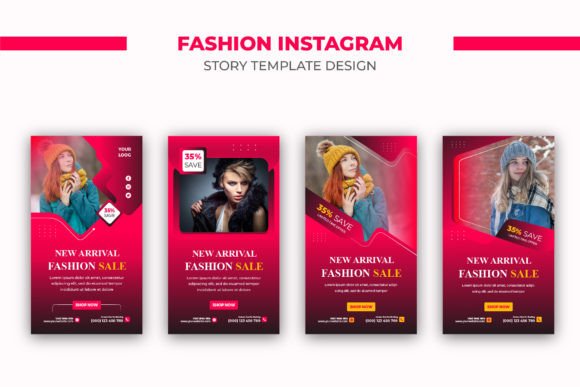
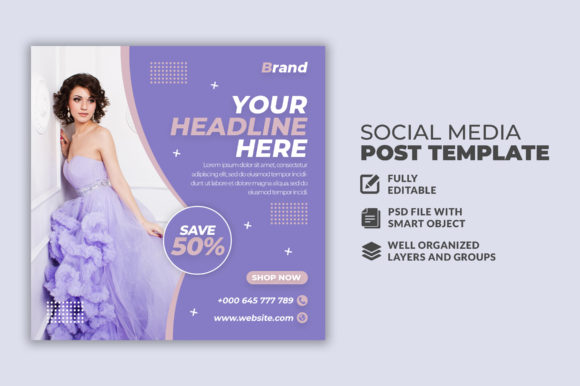
A social media banner for a fashion sale isn’t just a pretty picture with a discount number slapped on it. It’s a blend of typography, layout, and visual hierarchy that guides the viewer’s eye from the headline to the call-to-action. A good template balances style and function—it feels on-brand while being easy to read and quick to understand. Think about how major brands like Zara or ASOS structure their sale announcements: bold typography, clean lines, and strategic use of negative space. You don’t need a massive budget to achieve that polished look; a well-organized PSD template gives you a professional starting point that’s fully customizable.
The key is in the details. A 1080×1080 pixel canvas is optimized for Instagram and Facebook feeds, ensuring your design looks crisp on mobile and desktop. Layered PSD files mean you can tweak every element—swap colors to match your seasonal palette, adjust text placement for different languages, or add your logo without starting from scratch. When the template uses free fonts, you avoid licensing headaches and can share assets with your team or clients seamlessly. It’s these practical touches that make a template not just a design shortcut, but a branding tool.
From Template to Brand Identity: Practical Applications
A versatile banner template does more than announce a flash sale. It becomes a foundational asset for your entire marketing calendar. Use it to create consistent graphics for your Instagram stories, Facebook ads, or Pinterest pins. Adapt the layout for email headers or website pop-ups—when your visual language is consistent across platforms, it builds recognition and trust. Small businesses often struggle with maintaining a cohesive look; a template with well-organized layers solves that by giving you a repeatable framework.
Beyond digital, think about how the same design principles apply offline. The typography and color scheme from your social media banner can inspire packaging inserts, in-store signage, or even hang tags for merchandise. If you’re launching a limited-time offer, having a template ready means you can roll out coordinated materials quickly—social posts, website banners, and printable posters all share the same visual DNA. This kind of consistency turns a one-time promotion into a memorable brand moment.
Choosing and Customizing Your Design Elements
Not all templates are created equal. When selecting one, look for layers that are intuitively named and grouped—this saves hours of digging through “Layer 47” to find the price text. A good template will separate background elements, text blocks, and decorative accents so you can isolate and edit each part. If the design uses a premium font, check whether it’s included or if you need to source it separately; free fonts are often bundled to keep things accessible. Test the template by swapping out the sample text with your own copy—does the layout still hold up? Are the lines balanced?
Typography plays a huge role in mood. A sleek sans-serif font feels modern and clean, perfect for contemporary brands. A handwritten script might suit a boutique with a personal, artisan vibe. Mixing fonts—say, a bold display font for headlines with a simple serif for details—adds hierarchy and visual interest. But readability is non-negotiable. Your sale details, dates, and promo codes need to be legible at a glance, even on a small phone screen. Always preview your design on multiple devices before posting.
Streamlining Your Workflow with Editable Assets
For busy creators and entrepreneurs, time is everything. Having a template that’s 100% editable means you’re not starting from zero each time you run a promotion. Update the colors for a new season, change the discount percentage, or swap out the background image—and you’re done in minutes, not hours. This efficiency lets you focus on other aspects of your campaign, like writing compelling captions or planning your product photography.
Consider building a small library of templates for different types of promotions: flash sales, new arrivals, holiday specials, or clearance events. When each template aligns with your brand’s typography and color palette, you create a visual system that your audience recognizes instantly. Over time, this consistency becomes part of your brand identity—people see your signature style and immediately associate it with your business. It’s a subtle but powerful form of marketing.
Final Thoughts on Visual Impact
In the crowded space of social media, a thoughtfully designed banner is your first impression. It’s not just about selling a product; it’s about communicating your brand’s personality and professionalism. A template that’s easy to customize, layered for flexibility, and designed with real-world use in mind becomes an invaluable part of your creative toolkit. Whether you’re a solo entrepreneur or part of a marketing team, investing in quality design assets pays off in engagement, recognition, and ultimately, sales. So next time you plan a promotion, start with a strong foundation—your future self will thank you when the orders start rolling in.